

Interactive Blog And Thought Collective
In-depth insights, research, and practical guidance on youth inpatient transitions and quality of care
What Can You Expect from Interactive Youth Transport and Our New Blog?
Comprehensive Parent’s Guide to Transport to Treatment
Recognize the moment. Plan precisely. Get there safely.
Hello Everyone, Thank you for visiting our blog and thought exchange. We are excited to begin sharing more about ourselves and exploring new ideas in Teen Treatment and quality care
We Wil be featuring among other topics:
"Asked and Answered Series": We’ll answer questions from all of you—about teen transport, the behavioral health field, and everything in between. Let’s start the conversation!
Tackling the Tough Conversations: Addressing the hard topics that need attention.
The Future of Adolescent Care: Exploring innovation and the next phase of healing.
Guides and Expert Advice: Insights from our top clinical staff and contributing experts in the field.
We can't wait to take this journey with you!
Everyone is welcome! Whether you're a therapist, parent, treatment center, or adolescent, we encourage the submission of your questions, topics of interest, and thought-provoking op-ed requests. What would you like to know more about?
Email us at: Info@InteractiveYouthTransport.com

CHANGING STRUCTURES OF LEGALITY AND PROCESS: INVOLUNTARY YOUTH TRANSPORT —- TAKING ADVANTAGE OF TRANSITION
The Golden Rule of Adolescent Care
What kind of intervention should be available when a teenager needs care but refuses to go? State laws are shaping how families can act, who can carry out that decision, and how young people must be protected along the way. This article examines those laws, the realities that make intervention necessary, and how the journey itself can create an opening for connection and change.
ADOPTION AND BEHAVIORAL HEALTHCARE NUMBERS: REPRESENTATIONS AND CONSIDERATIONS
People who work in adolescent crisis care, treatment placement, and youth transport tend to notice the same pattern: adopted teenagers show up in these settings far more often than their share of the general population would predict.

NAVIGATING LEVELS OF CARE, AND ALTERNATIVE TREATMENT OPTIONS IN ADOLESCENT BEHAVIORAL HEALTH
A 30-, 90-, or 180-day label does not define a clinical level of care. This evidence-informed guide explains the frameworks used for adolescent residential placement, the factors that determine duration, the role of continuing care, and the licensing questions that matter when treatment crosses state lines. The Youth Support Standards Project is an Initiative that aims to provide a free application for measuring standards and gathering data at scale to tell the narrative of teen treatment from the source. As well as assist families in their navigation and finding the resources they need
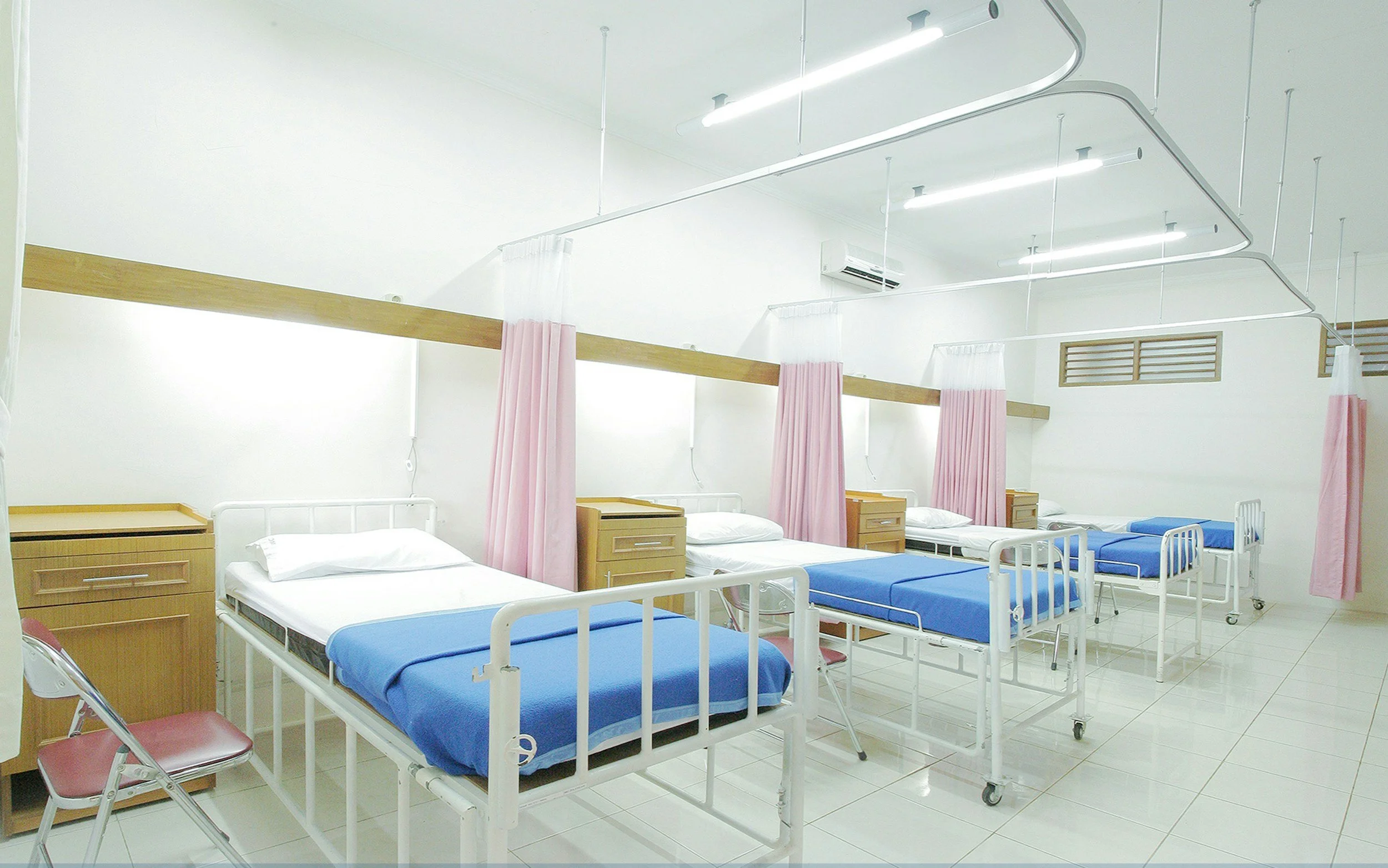
A GUIDE FOR ADOLESCENT PSYCHIATRIC EVENTS: HOSPITALIZATION AND DISCHARGE PLANNING
Ready for discharge” does not mean “fully recovered.” This evidence-informed guide explains how hospitals determine the next level of care, what information families can provide, and why state and local systems change the available options.

EMDR for Post-Traumatic Stress Treatment in Adolescents
EMDR holds the highest scientific rating available for adolescent trauma treatment, yet the clinical literature has overlooked the interval that most shapes its success: the transition into care. This analysis examines the evidence base for post-traumatic stress treatment EMDR in adolescents, its comparative standing against TF-CBT, protocol adaptations for complex trauma, and why trauma-informed transport functions as the first phase of treatment — for families nationwide, from the DC metro and Virginia through the Carolinas.
INSTAGRAM: @INTERACTIVEHEALTHCO





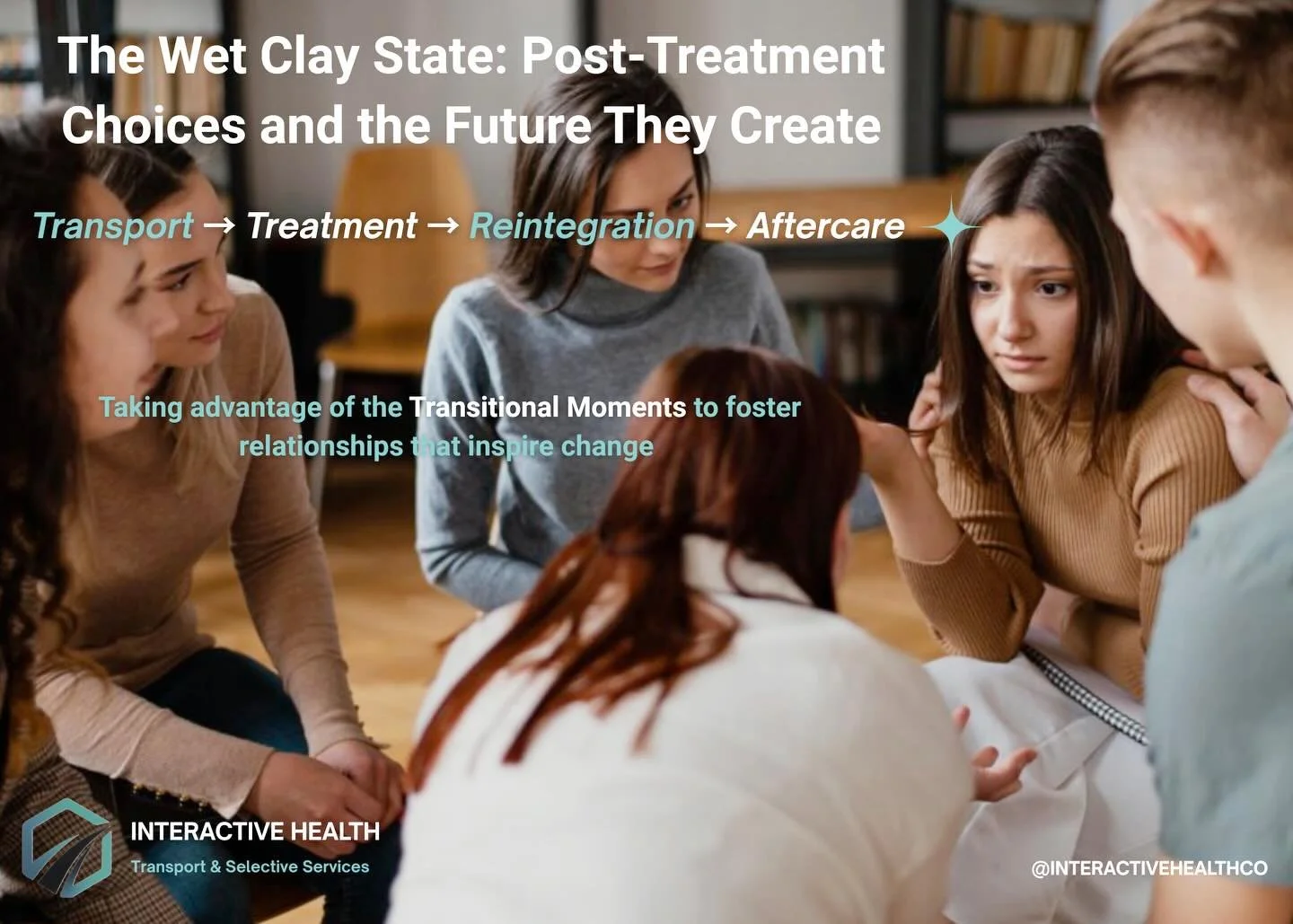






The Wet Clay State: Post-Treatment Choices and the Future They Create
Your short teaser here...
Read more →Interactive Approaches to the Navigation of Cannabis-Induced Psychosis
Your short teaser here...
Read more →
Bobby Tredinnick is the author of the blog posts on Interactive Health (Interactive Youth Transports) page. He believes in the triage between clinical training and education, lived experience, and being grounded in a desire to help, as well as the humility that allows clients to feel supported enough to be the instigator of their own transformation. Bobby has been working with clients for over 10 years and also seeks out opportunities to expand new models of care and the integration of technology and investment in ways that produce sustainable care models in accessible formats.