
Kratom and Teenagers: What Parents Need to Know About the Legal Opioid in Gas Stations
Author: Bobby Tredinnick, LMSW-CASAC | CEO & Clinical Lead, Interactive Youth Transport
TL;DR: Kratom is legally sold in gas stations but binds to the same brain receptors as opioids, causing physical dependence and withdrawal in teenagers. Parents should treat kratom like an opioid because it behaves like one, requires medical detox, and can lead to stronger drug use.
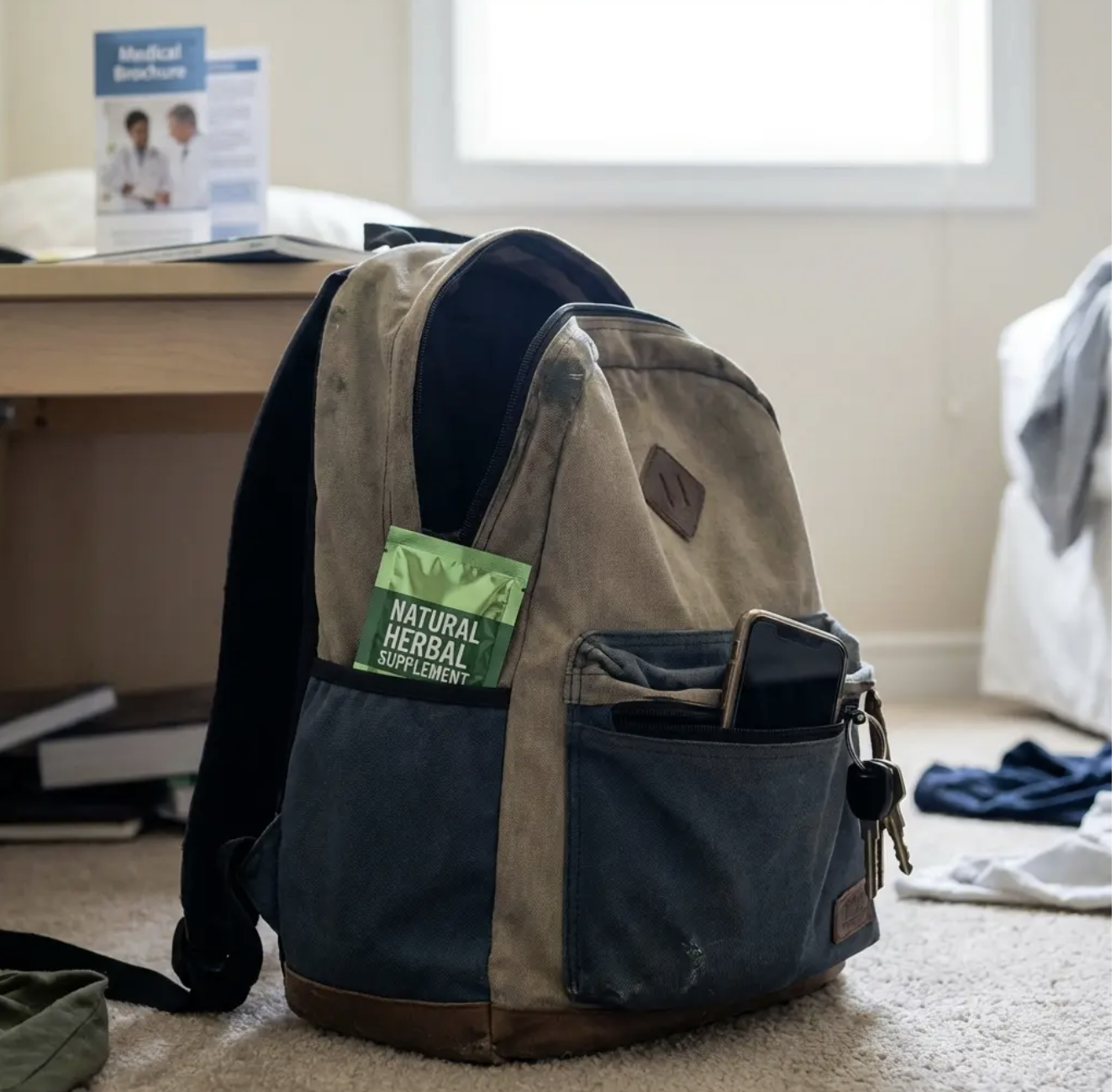
Image Generated by OpenAI
What is Kratom & Why Is It So Readily Available
Core Facts:
Kratom's alkaloids (mitragynine and 7-hydroxymitragynine) bind to mu-opioid receptors, creating dependence
Withdrawal symptoms mirror opioid withdrawal: muscle pain, anxiety, insomnia, cravings, mood instability
Concentrated extracts contain significantly higher potency than base powder
Legal status creates a false sense of safety—banned in Alabama, Arkansas, Indiana, Rhode Island, Vermont, and Wisconsin as of 2026
If you find kratom, confront immediately and seek professional assessment—don't just take it away
Kratom sits on gas station shelves next to energy drinks, labeled as a natural supplement for stress relief or focus. Parents see it and assume it's harmless—something like CBD or a vitamin blend. That assumption is dangerous.
How Kratom Works in the Brain
Kratom isn't an opioid in the technical sense. It doesn't come from opium.
But its active compounds—mitragynine and 7-hydroxymitragynine—bind to mu-opioid receptors in the brain. These are the same receptors activated by morphine and heroin.
The result: physical dependence, withdrawal, and behavioral changes. For anyone trying to understand what their teenager is dealing with, the technical distinctions don't matter. Treat kratom like an opioid, because functionally, it behaves like one.
Why Kratom Is Legal (And Why That's Misleading)
The only reason kratom is legal in most states is because federal regulation moves slowly. The government categorizes and schedules drugs based on their chemical structure, and kratom doesn't fit neatly into existing categories. So it slips through.
Manufacturers exploit that gap. They sell kratom in convenience stores and smoke shops under vague labels that promise calm or energy without disclosing what the product actually does. The FDA has determined that kratom is not lawfully marketed as a dietary supplement and cannot be lawfully added to conventional foods—yet it remains widely available.
As of 2026, kratom is banned in several states:
Alabama
Arkansas
Indiana
Rhode Island
Vermont
Wisconsin
Many other states are actively debating regulation or restriction.
Bottom line: Legal doesn't mean safe. Regulation lags behind trends, especially for plant-based substances and analog drugs.
Parents get angry when they find out their kid has been using kratom. They can't believe something this dangerous is sold over the counter. That anger is justified.
The reality is that regulation lags behind trends. Kratom has been around for thousands of years, but it's only recently gained popularity in the U.S.—likely because prescription opioids have become harder to access and fentanyl has flooded the market. Kratom fills a gap, and teenagers are finding it before parents even know what it is.
How Do Teenagers Start Using Kratom?
The Initial Encounter
Teenagers encounter kratom in various ways. The packaging looks legitimate. It says something like "natural stress relief" or "herbal supplement."
They try it, and it works. It eases anxiety, helps them feel calm, or gives them energy depending on the dose. So they take it again. And again.
Social Media and Deceptive Marketing
Influencers promote kratom products on social media. They call them life-changing or natural alternatives to pharmaceuticals. Most don't realize they're promoting something that binds to the same opioid receptors as prescription painkillers.
The manufacturers don't make it easy to figure out either. Kratom is often buried in the ingredient list under unfamiliar names. There's no warning label that says, "This product binds to opioid receptors and can cause physical dependence."
Warning Signs for Parents
By the time parents realize what's happening, their teenager is already dependent.
The signs might not be obvious at first: irritability, changes in sleep patterns, mood swings. These all look like typical adolescent behavior. But if those symptoms are paired with regular trips to the gas station, orders of kratom online, or a stash of capsules or powder in their room, something else is going on. This is one of the reasons that recognizing when professional help is necessary is so critical for families—the line between normal adolescent behavior and substance-driven behavior can blur quickly.
Key insight: Kratom dependence develops quickly and mimics normal teenage behavior, making early detection difficult.
Why Is Kratom Dangerous for Teenagers?
Brain Chemistry: How Dependence Forms
Kratom's active compounds—mitragynine and 7-hydroxymitragynine—bind to mu-opioid receptors in the brain. These are the same receptors activated by morphine, oxycodone, and heroin.
Research shows that these alkaloids function as partial agonists at the mu-opioid receptor. This means they activate these receptors but with less intensity than full opioid agonists.
When those receptors are repeatedly activated, the brain adapts. It starts to rely on the substance to regulate mood, pain, and stress. When the substance is removed, the brain doesn't know how to function without it.
That's dependence.
Withdrawal Symptoms
Withdrawal from kratom mirrors opioid withdrawal:
Muscle aches
Nausea
Insomnia
Anxiety
Irritability
Intense cravings
Sweating
Restlessness
Mood instability
For teenagers, this can look like aggression, social withdrawal, or worsening mental health symptoms. Parents might think their child is just going through a rough patch or struggling with depression. They might not connect it to kratom use, especially if they don't know what kratom is.
Potency: Base Powder vs. Concentrated Extracts
Kratom isn't as strong as prescription opioids or fentanyl. The base powder form of kratom contains relatively lower concentrations of active alkaloids.
But smoke shops and online vendors sell concentrated extracts—liquid shots or enhanced powders—that contain significantly higher levels of 7-hydroxymitragynine, the more potent alkaloid. The FDA has specifically flagged 7-OH products as a public health concern, noting that this compound demonstrates substantially greater opioid receptor potency than morphine.
A teenager taking those extracts is consuming the equivalent of dozens of capsules in a single dose. That's where the risk escalates.
Impact on Adolescent Brain Development
Chronic kratom use during adolescence disrupts brain development. The prefrontal cortex, which governs executive function, impulse control, and decision-making, is still developing through the mid-20s.
Introducing a substance that alters opioid receptor activity during this period can have lasting effects on emotional regulation, cognitive function, and impulse control.
And like other opioids, kratom opens the door to stronger substances. A teenager who becomes dependent on kratom is more likely to seek out prescription opioids or illicit drugs when kratom stops working or becomes harder to access.
Clinical reality: Kratom creates physical dependence, disrupts developing brains, and serves as a gateway to stronger opioids.
What Does Kratom Withdrawal Look Like?
Physical and Psychological Symptoms
Withdrawal from kratom isn't just uncomfortable. It's physically and psychologically challenging.
Physical symptoms: muscle pain, restlessness, nausea, sweating, and insomnia.
Psychological symptoms: anxiety, irritability, depression, and difficulty concentrating.
These symptoms make it nearly impossible to function in school or at home. The Mayo Clinic has noted that individuals with kratom dependence may need treatments similar to those used for opioid addiction, including medication-assisted approaches.
Nervous System Impact
Withdrawal also affects the autonomic nervous system, which regulates stress responses and emotional regulation.
When someone is in withdrawal, their nervous system can be stuck in a state of heightened stress response. They struggle to calm down, and connecting with others becomes difficult.
That makes intervention harder, because the person in withdrawal isn't thinking clearly and has difficulty regulating their emotions. This is exactly why clinically integrated approaches to adolescent care matter—clinical oversight from the first point of contact helps stabilize a teenager who may already be in withdrawal before they reach treatment.
Why Medical Supervision Is Essential
For parents, this means that if their teenager is dependent on kratom, simply taking it away isn't enough.
Withdrawal needs to be managed with medical supervision. Attempting to quit cold turkey without support often leads to relapse, because the symptoms are too intense to endure alone.
Critical point: Kratom withdrawal requires medical supervision—cold turkey attempts typically fail due to symptom intensity.
What Should Parents Do If They Find Kratom?
Step 1: Confront Immediately (Without Judgment)
If you find kratom in your teenager's room, don't just take it and assume the problem is solved.
Confront them immediately, but do it without judgment. The goal isn't to punish them. The goal is to figure out how deep the dependency goes.
Step 2: Assess the Dependency
Ask specific questions:
How long have you been using it?
How often do you take it?
How much do you take?
Have you tried to stop?
What happened when you tried to stop?
If they've been using kratom daily for more than a few weeks, there's a strong chance they're physically dependent.
If they've already experienced withdrawal symptoms—even mild ones like irritability or trouble sleeping—they need professional help.
Step 3: Seek Professional Treatment
Kratom dependence requires the same level of intervention as opioid dependence. That means medical detox and comprehensive treatment.
Withdrawal timeline:
Symptoms begin within 12 to 48 hours after the last dose
Symptoms peak within the first few days
Psychological symptoms (cravings, mood instability, difficulty concentrating) can last much longer
Your teenager needs a structured environment where they can safely withdraw from the substance and begin addressing the underlying issues that led to use in the first place. If your family is navigating this process and needs help getting your teen to the right program safely, professional adolescent transport services exist specifically to bridge the gap between crisis and care—with clinical oversight built into every step.
Step 4: Address Co-Occurring Mental Health Issues
If your teenager is also struggling with anxiety, depression, ADHD, or trauma-related symptoms, those conditions need to be treated alongside the kratom dependence.
Why this matters: Co-occurring mental health issues complicate withdrawal and increase the risk of relapse.
A comprehensive assessment by a licensed clinician who understands both adolescent development and substance use is essential. For families who need ongoing case management, therapeutic coaching, or support beyond the initial treatment placement, Coast Health Consulting provides individualized clinical support tailored to each client and family.
Action plan: Confront without judgment, assess dependency depth, seek professional medical detox, and treat co-occurring mental health conditions.
Why Does Early Intervention Matter?
Deepening Dependence Over Time
The longer kratom use continues, the harder it is to stop. Dependence deepens, tolerance increases, and the brain becomes more reliant on the substance to regulate basic functions.
Teenagers who use kratom for months or years face a much harder recovery than those who get help early.
Prevention of Escalation to Stronger Opioids
Early intervention also prevents escalation. A teenager who is dependent on kratom is at higher risk for using stronger opioids.
Addressing the problem now reduces the likelihood that they'll move on to prescription pills, heroin, or fentanyl.
Don't Wait—Act Now
If your teenager is using kratom, don't wait to see if they stop on their own. Don't assume it's a phase.
Get a clinical assessment. Work with professionals who understand opioid dependence and adolescent behavioral health. If you need guidance on next steps—whether that's crisis intervention, connecting with the right treatment program, or understanding how to manage a transport safely—reach out to our team for a confidential consultation.
The fact that kratom is legal doesn't make it safe. The fact that it's sold in gas stations doesn't mean it's harmless. It's an opioid in everything but name, and it needs to be treated that way.
Final reminder: Early intervention prevents deeper dependence and reduces risk of escalation to stronger opioids—legal status is irrelevant to safety.
Frequently Asked Questions About Kratom and Teenagers
Is kratom an opioid?
Kratom is not technically an opioid because it doesn't come from opium. However, its active compounds (mitragynine and 7-hydroxymitragynine) bind to the same mu-opioid receptors in the brain as morphine and heroin. It causes physical dependence, withdrawal, and behavioral changes identical to opioids. For practical purposes, treat kratom like an opioid.
How long does it take to become dependent on kratom?
Physical dependence can develop within a few weeks of daily use. If a teenager has been using kratom daily for more than 2–3 weeks, there's a strong chance they're physically dependent. Signs include withdrawal symptoms (irritability, trouble sleeping, mood changes) when they try to stop.
What are the signs my teenager is using kratom?
Common signs include: irritability, changes in sleep patterns, mood swings, regular trips to gas stations or smoke shops, online orders of supplements, and physical stashes of capsules or powder. These symptoms overlap with normal adolescent behavior, making detection difficult. Look for patterns combined with unusual purchasing behavior.
Can you overdose on kratom?
Yes, overdose is possible, especially with concentrated extracts (liquid shots or enhanced powders) that contain significantly higher levels of the more potent alkaloid 7-hydroxymitragynine. Risk increases when kratom is combined with other substances. Overdose symptoms include severe respiratory depression, seizures, and loss of consciousness.
Is kratom legal everywhere in the United States?
No. As of 2026, kratom is banned in Alabama, Arkansas, Indiana, Rhode Island, Vermont, and Wisconsin. Many other states are actively debating regulation or restriction. Even where legal, kratom is not FDA-approved and manufacturers face no requirement to disclose its opioid-like effects.
What should I do if my teenager is withdrawing from kratom?
Do not attempt unsupervised withdrawal. Kratom withdrawal requires medical supervision because symptoms are intense and often lead to relapse without support. Seek immediate professional assessment from a clinician who understands both adolescent development and opioid dependence. Medical detox and comprehensive treatment are necessary.
How is kratom withdrawal treated?
Kratom withdrawal is treated similarly to opioid withdrawal. This includes medical detox in a supervised environment, possible medication-assisted treatment to manage symptoms, and comprehensive behavioral health treatment to address underlying issues. Co-occurring mental health conditions (anxiety, depression, ADHD, trauma) must be treated simultaneously to reduce relapse risk. For families needing ongoing support, clinical case management services can provide structure and accountability throughout the recovery process.
Can kratom lead to using stronger drugs?
Yes. Like other opioids, kratom creates dependency and opens the door to stronger substances. Teenagers dependent on kratom are at higher risk for seeking prescription opioids, heroin, or fentanyl when kratom stops working or becomes harder to access. Early intervention prevents this escalation.
Key Takeaways
Kratom functions as an opioid: Its alkaloids bind to mu-opioid receptors, causing physical dependence and withdrawal identical to prescription opioids—legal status is misleading.
Dependence develops quickly: Daily use for just a few weeks can create physical dependence, with withdrawal symptoms appearing within 12–48 hours of stopping.
Concentrated extracts are significantly more dangerous: Liquid shots and enhanced powders contain much higher levels of the potent alkaloid 7-hydroxymitragynine, dramatically increasing risk.
Withdrawal requires medical supervision: Symptoms are too intense for unsupervised cold turkey attempts—medical detox and comprehensive treatment are necessary.
If you find kratom, confront immediately: Don't just take it away. Assess dependency depth through specific questions about frequency, duration, and previous quit attempts.
Treat co-occurring mental health conditions: Anxiety, depression, ADHD, and trauma complicate withdrawal and increase relapse risk—comprehensive clinical assessment is essential.
Early intervention prevents escalation: The longer kratom use continues, the harder recovery becomes and the higher the risk of moving to stronger opioids like heroin or fentanyl.
If your family is navigating adolescent substance use, crisis, or the transition to treatment, Interactive Youth Transport provides clinically supervised adolescent transport and crisis intervention services nationwide. For ongoing case management and therapeutic support beyond the initial placement, Coast Health Consulting offers individualized behavioral health services for adolescents and adults. IYT’s NATSAP Profile
