

Interactive Blog And Thought Collective
In-depth insights, research, and practical guidance on youth inpatient transitions and quality of care
What Can You Expect from Interactive Youth Transport and Our New Blog?
Comprehensive Parent’s Guide to Transport to Treatment
Recognize the moment. Plan precisely. Get there safely.
Hello Everyone, Thank you for visiting our blog and thought exchange. We are excited to begin sharing more about ourselves and exploring new ideas in Teen Treatment and quality care
We Wil be featuring among other topics:
"Asked and Answered Series": We’ll answer questions from all of you—about teen transport, the behavioral health field, and everything in between. Let’s start the conversation!
Tackling the Tough Conversations: Addressing the hard topics that need attention.
The Future of Adolescent Care: Exploring innovation and the next phase of healing.
Guides and Expert Advice: Insights from our top clinical staff and contributing experts in the field.
We can't wait to take this journey with you!
Everyone is welcome! Whether you're a therapist, parent, treatment center, or adolescent, we encourage the submission of your questions, topics of interest, and thought-provoking op-ed requests. What would you like to know more about?
Email us at: Info@InteractiveYouthTransport.com

SUPPORTING YOUR TEEN THROUGH A BEHAVIORAL HEALTH CRISIS
There's a clear line between typical teenage turbulence and something far more serious. A behavioral crisis happens when a teen's actions create genuine risk to themselves or others, or when their ability to cope has completely collapsed. This guide provides evidence-based intervention strategies for parents navigating these critical moments.
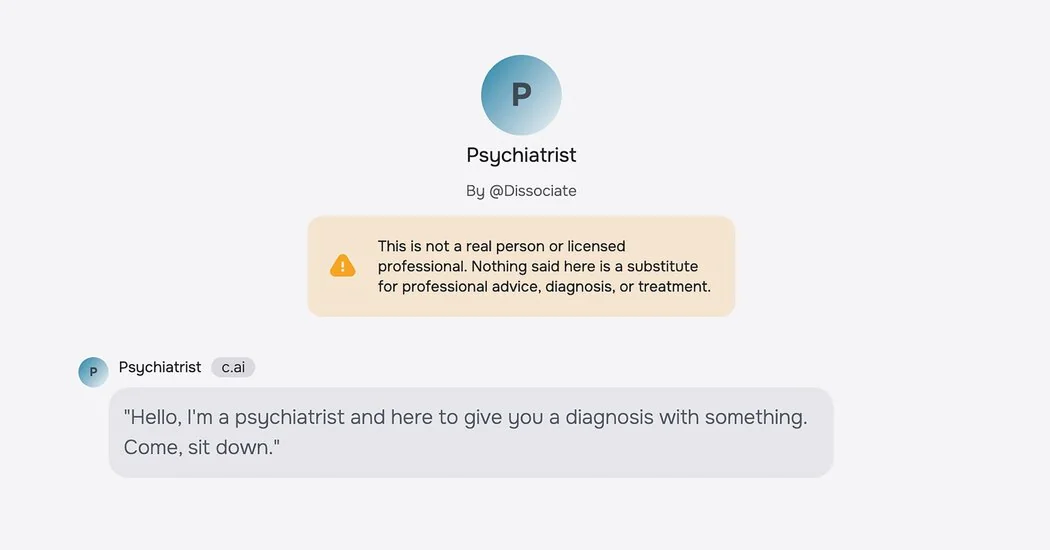
The Imaginary Friend That Texts Back: Exploring AI Companions in Behavioral Health
About 20% of adults in the US have tried AI companion chatbots. For Gen Z, over a third actually want AI for mental health support. People spend about an hour and a half each day talking to these platforms. It's not just a trend anymore; it's a reality. Unlike past technologies that we slowly adopted, AI jumped in as a friend before we, as therapists, could even check it out. Now, it's not about whether we should use AI in our work. It's about handling its role in our clients' lives.
Past innovations were seen as tools. Think of electronic health records as a filing cabinet or therapy apps as digital worksheets. Teletherapy was just therapy, but online. But AI feels different. It acts like a person, saying things like "I care" or "Tell me more." It's built to feel like a relationship and form real emotional bonds, not just be a useful tool. Most therapists are against AI as a therapy replacement, and for good reason. But our clients come to us already attached to these AI companions, sometimes more than to the humans in their lives. So, we need to shift how we think about this. We need to see AI as something to address in therapy, not just a technology to debate.

Rethinking Crisis Intervention: Clinical Windows and Missed Opportunities in Adolescent Behavioral Health
Adolescent behavioral health crises are often seen as problems to contain, but the reality is far more complex. During these moments, the adolescent brain is uniquely open to change—offering a rare clinical window for meaningful intervention. This article explores the neurobiology behind crisis response, why traditional approaches fall short, and how genuine, evidence based strategies can turn crisis into the turning point for lasting growth and accountability.

A Parent’s Guide to Facilitating the Transition to Treatment
Transitioning a teenager into a treatment program is one of the most challenging decisions a parent can face. The journey from recognizing your child needs help to getting them safely into a therapeutic environment is filled with emotional turmoil, uncertainty, and tough choices. This guide is designed to help parents navigate that journey with insight and confidence. We’ll explore how to identify when professional treatment is necessary, how to prepare for that decision, and what steps to take to ensure your teen’s transition is safe, compassionate, and effective………

Interactive Approaches to the Navigation of Cannabis‑Induced Psychosis in Adolescent Behavioral Health
Over the past decade, THC potency has skyrocketed, and while we don’t take a stance on legalization here, the rise in cannabis‑induced psychosis is something I see firsthand. More teens are showing up in crisis—caught between potent products and a lack of awareness—and the human toll is real. As a social worker and interventionist, I believe we need to talk about what’s happening, why it matters, and how families and clinicians can respond together……
INSTAGRAM: @INTERACTIVEHEALTHCO





The Wet Clay State: Post-Treatment Choices and the Future They Create
Your short teaser here...
Read more →Interactive Approaches to the Navigation of Cannabis-Induced Psychosis
Your short teaser here...
Read more →
Bobby Tredinnick is the author of the blog posts on Interactive Health (Interactive Youth Transports) page. He believes in the triage between clinical training and education, lived experience, and being grounded in a desire to help, as well as the humility that allows clients to feel supported enough to be the instigator of their own transformation. Bobby has been working with clients for over 10 years and also seeks out opportunities to expand new models of care and the integration of technology and investment in ways that produce sustainable care models in accessible formats.