
Role of Mental Health Experts in Youth Transport
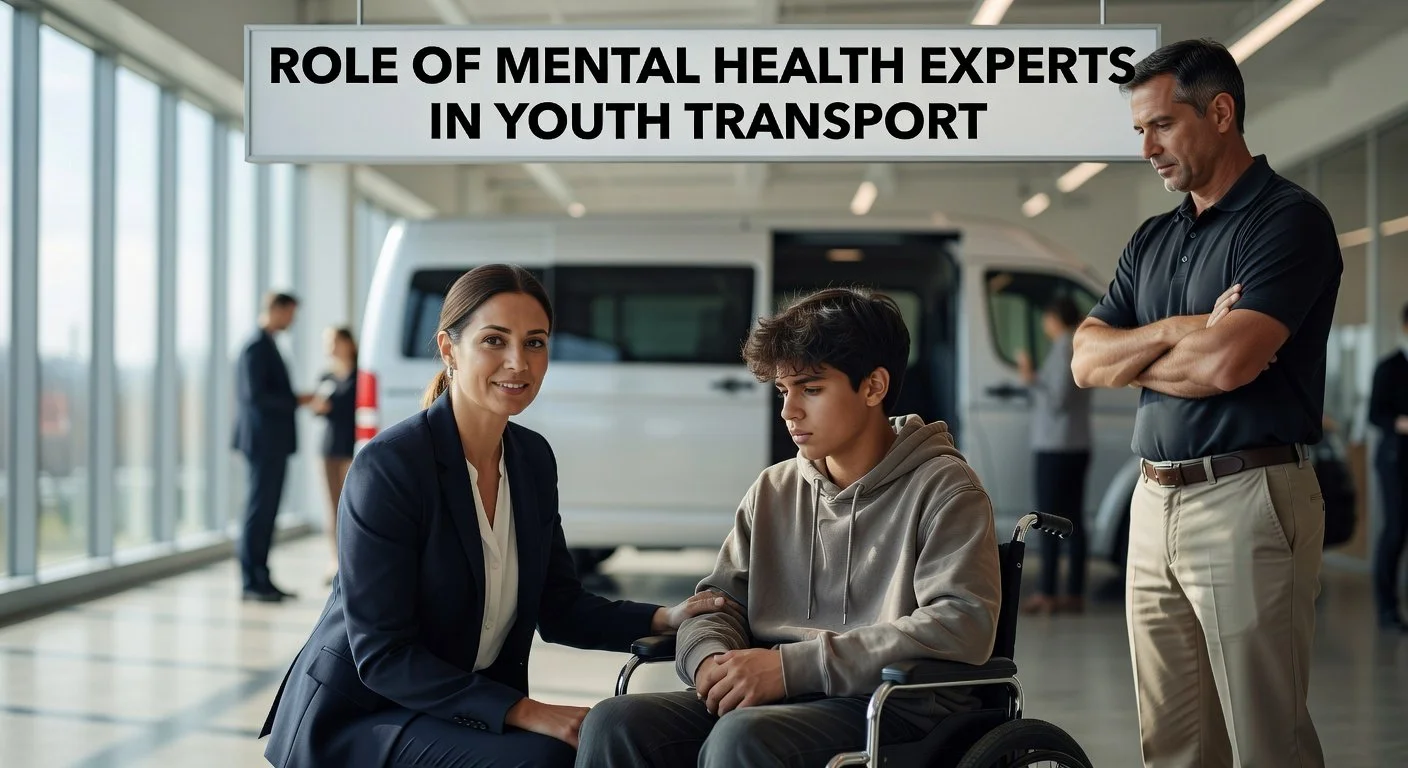
image created by Artificial Intelligence
In the high-stakes world of youth transport, where vulnerable adolescents navigate crises from juvenile detention to treatment centers, a single oversight can escalate into tragedy. Statistics reveal that up to 70 percent of youth in these systems grapple with untreated mental health issues, turning routine transfers into potential flashpoints for decompensation or self-harm. This reality underscores a critical yet often overlooked truth: the indispensable role of the mental health expert in ensuring safe, effective transport.
As we analyze this vital intersection, this post examines how mental health experts transform youth transport from a logistical challenge into a therapeutic opportunity. Readers will gain insights into their specialized interventions, from de-escalation techniques during transit to pre-transport assessments that mitigate risks. We will explore evidence-based protocols that integrate psychological support with secure conveyance, backed by case studies and expert recommendations. Ultimately, you will understand why prioritizing mental health expertise not only safeguards young lives but also yields long-term societal benefits, including reduced recidivism and improved rehabilitation outcomes. Join us in dissecting these strategies to advocate for systemic change.
Adolescent Mental Health Crisis in 2026
In 2026, the adolescent mental health crisis persists as a global public health imperative, demanding innovative approaches to behavioral health transitions. According to the World Health Organization, one in seven adolescents aged 10-19 experiences a mental disorder, contributing 15% to the global disease burden among this population. These conditions encompass anxiety, depression, behavioral disorders, and conduct issues, with suicide ranking as the third leading cause of death for 15-29-year-olds. Stigma, access barriers, and rising substance use exacerbate risks, underscoring the need for trauma-informed interventions during critical junctures like adolescent behavioral health transport.
United States data from the Centers for Disease Control and Prevention reveals similar urgency, with 15.4% of youth aged 12-17 reporting major depressive episodes in 2024, a slight decline from pandemic peaks yet indicative of entrenched challenges. Notably, while 20% received therapy, an equal proportion faced unmet needs, highlighting systemic deficiencies in the therapeutic transport continuum of care. Persistent sadness affects 40% of high school students annually, and suicide ideation impacts one in five, necessitating clinical transport services that bridge crisis to treatment.
Generation Z trends amplify this demand, as 46% report diagnoses of anxiety, depression, or ADHD, with serious mental illness among 18-25-year-olds quadrupling from 3% in 2009 to 12% in 2021. Digital overload and social isolation fuel these rates, driving the need for youth transport to treatment that incorporates motivational interviewing and crisis de-escalation. Such specialized interventions address high-acuity co-occurring disorders, positioning gap services in behavioral health as essential.
Critically, 80% of teens with depression receive no treatment, exposing vulnerabilities in transitions from crisis stabilization to structured care. Conventional logistical transport overlooks the therapeutic value of the transit episode, where live-in coaching adolescents or companion services for young adults in treatment can build alliance and reduce resistance. Mental health experts advocate redefining these phases through trauma-informed transport, ensuring continuity and priming successful outcomes, as exemplified by clinically-led models overhauling the field. This gap calls for rigorous, evidence-based alternatives to conventional paradigms.
Defining a Mental Health Expert in Behavioral Health
A mental health expert in behavioral health transport embodies advanced clinical credentials that elevate adolescent behavioral health transport from logistics to a therapeutic transport continuum of care. These professionals hold LMSW-CASAC licensure, combining Licensed Master Social Worker status with Credentialed Alcoholism and Substance Abuse Counselor certification, often earned through master's-level therapy programs at institutions like NYU Silver School of Social Work. They further possess certifications in Motivational Interviewing (MI), Cognitive Behavioral Therapy (CBT), and MANDT de-escalation training, enabling precise interventions during youth transport to treatment.
Unlike conventional transport roles, which operate without clinical oversight and risk exacerbating trauma, these experts integrate trauma-informed principles to foster safety and trust en route. This approach counters amygdala-driven resistance by activating parasympathetic responses, reducing cortisol spikes, and priming clients for treatment entry. Such clinical transport services address critical gap services in behavioral health, including live-in coaching for adolescents and companion services for young adults in treatment.
Expertise proves foundational for behavioral health transitions, facilitating motivational engagement and therapeutic alliance-building during transit. Over 1,000 successful transports under licensed clinical leadership demonstrate real-world impact, with facilities reporting higher intake readiness and fewer stabilization incidents. Amid rising adolescent crises—where 1 in 7 youth faces mental disorders (WHO data)—this model redefines care continuity. For details on clinical oversight's role, see [IYT's analysis](https://www.interactiveyouthtransport.com/blog/why-clinical-oversight-in-adolescent-mental-health-transport-determines-treatment-success).
Critique of Logistical-Focused Youth Transport
Conventional youth transport models in adolescent behavioral health transport emphasize logistics, security, and physical containment, often sidelining the therapeutic potential of this critical transition. These approaches, prevalent in over 53% of admissions to out-of-home programs, frequently employ coercive tactics like midnight transports or restraints, which heighten client resistance and exacerbate trauma. With 67% of adolescents experiencing trauma by age 16 and PTSD rates reaching 26.2% among affected youth, such methods trigger fight-or-flight responses, eroding trust and priming individuals for treatment dropout rates of 10-30%. This paradigm overlooks the transport episode as a vulnerability period where neuroplasticity offers a window for intervention, instead replicating powerlessness and contributing to gaps in behavioral health transitions. Data from [Gass et al. (2022) underscores ethical concerns, including prolonged stays costing $10,000-$60,000 monthly due to heightened agitation upon arrival.
The Summit Transport Model: Redefining the Continuum
Interactive Youth Transport's Summit Transport Model innovates by repositioning transport as a clinically active episode in the therapeutic transport continuum of care. Led by mental health experts like LMSW-CASAC clinicians, it integrates the ACT Model for assessment, crisis intervention, and trauma treatment, fostering alliance-building during transit. This trauma-informed approach reduces restraints to under 2% of cases, employing motivational interviewing to de-escalate resistance and enhance treatment readiness.
Expert-Led Services and 2026 Trends
Expert-led clinical transport services challenge industry norms by leveraging evidence-based crisis intervention, achieving 40-60% distress reduction and 70% improved entry rates (2026). Looking to 2026, trends align with Polyvagal Theory protocols prioritizing physiological safety through co-regulation and prosody, shifting youth to ventral vagal states for better outcomes. For families and case managers, selecting such services ensures continuity, minimizing re-traumatization in youth transport to treatment. Explore the ACT Model for actionable insights into these protocols.
## Evidence-Based Practices by Mental Health Experts
### Motivational Interviewing in Adolescent Behavioral Health Transport
Mental health experts at Interactive Youth Transport (IYT) deploy Motivational Interviewing (MI), an evidence-based approach, to forge therapeutic alliances during youth transport to treatment. This collaborative method evokes intrinsic motivation, reduces resistance, and primes adolescents for residential care entry by expressing empathy, developing discrepancy, and supporting autonomy. A randomized clinical trial involving 96 adolescents aged 13-18 with anxiety and mood disorders demonstrated MI's efficacy, boosting CBT attendance from 2.7 to 4.0 sessions (p=0.010) and initiation rates to 96% versus 80% in controls (Motivational Interviewing RCT). IYT clinicians apply MI from initial contact, leveraging the transport episode's neuroplastic window to align with Self-Determination Theory.
Trauma-Informed Transport Protocols and CBT Reframing
IYT's trauma-informed transport protocols, rooted in SAMHSA principles, mitigate iatrogenic harm by prioritizing safety, trust, and empowerment over coercion. These clinical transport services integrate cognitive behavioral therapy (CBT) techniques for reframing distress, such as reappraising transitions as strength-building opportunities. This activates parasympathetic responses in high-trauma youth, where 50-92% prevalence exists in residential settings, fostering receptivity upon arrival CDC Youth Mental Health Data.
MANDT Training for De-Escalation and Continuity
MANDT training equips IYT staff with trauma-informed de-escalation skills, emphasizing relationship-building, emotion validation, and collaborative planning to prevent restraints. Applied in behavioral health transitions, it ensures safe handoffs from crisis to residential care, sharing insights for seamless continuum.
Outcomes of Expert Interventions
High-acuity cases show improved adherence, with MI and protocols shortening stabilization and cutting dropouts. IYT's model, clinically led by LMSW-CASAC experts, redefines transport as therapeutic, addressing care gaps amid 1-in-7 adolescents facing disorders Clinically Integrated Transport.
Bridging Gaps with Expert Wraparound Services
Vulnerability periods between levels of care represent critical junctures in behavioral health transitions, where approximately 20% of youth encounter unmet needs, heightening risks of relapse and disengagement. Gap services in behavioral health, such as those pioneered by Interactive Youth Transport (IYT), address these intervals through clinically supervised interventions that sustain therapeutic momentum. Data from recent analyses indicate that 19.6% of U.S. households include a child under 18 requiring mental health support, with 24.8% facing barriers like provider shortages and logistical challenges. IYT's model integrates trauma-informed transport with targeted gap services, reducing acute distress by 40-60% via motivational interviewing and de-escalation techniques.
Live-in coaching for adolescents extends this support, providing 24/7 in-home accountability, skill-building, and family reintegration during post-transport phases. For young adults, companion services in treatment offer relapse prevention and crisis management amid co-occurring disorders, which affect 60-75% of this demographic. These offerings challenge the conventional view of transport as mere logistics, repositioning clinical transport services as active components of the therapeutic transport continuum of care.
As high-acuity demands intensify in 2026, with serious mental illness rates among 18-25-year-olds quadrupling since 2009, these wraparound elements maintain recovery trajectories. IYT's multi-city hubs in areas like Dallas-Fort Worth, Los Angeles, and New York enable geographically responsive youth transport to treatment, ensuring 24/7 deployment without diluting clinical rigor. This infrastructure supports over 1,000 families, exemplifying how behavioral health transitions can foster resilience through unbroken continuity.
Guiding Families and Educational Consultants
Families and educational consultants must prioritize clinical transport services over generic options to optimize outcomes in adolescent behavioral health transport. Licensed clinicians employing trauma-informed transport protocols, such as Motivational Interviewing and de-escalation techniques, ensure youth transport to treatment fosters therapeutic alliance rather than resistance. Data reveals that 40% of high school students experience persistent sadness, with 20% considering suicide, underscoring the risks of coercive methods that exacerbate cortisol responses and erode trust NAMI mental health statistics. Selecting services with master's-level oversight, like those from Interactive Youth Transport, yields smoother intakes, higher retention rates, and reduced relapse. Actionable steps include verifying SAMHSA-aligned protocols and real-time family updates to preserve stability.
Advising Interventionists and Case Managers
Interventionists and case managers benefit from expert-led models that integrate clinical transport services into the therapeutic transport continuum of care. These approaches boost treatment entry success by 63% in phase-based community models, bridging gaps where 80% of teens with depression receive no care. Real-time assessments during transit provide handoff insights, minimizing disruptions for facilities.
2026 Trends Reinforcing Holistic Transitions
By 2026, tech impacts like AI companions and telehealth will demand emotional literacy in behavioral health transitions, with 48.7% of adults already using AI for support mental health trends analysis. Holistic models, including live-in coaching adolescents and companion services for young adults in treatment, address rising high-acuity needs amid a $159 billion market.
Ethical Grounding in Innovator Services
Innovators emphasize ethical grounding through individualized planning, autonomy, and non-maleficence, tailoring trauma-informed transport to neurobiology and family dynamics for sustained efficacy parent mental health advisory.
KEY TAKEAWAYS AND NEXT STEPS
Providers with verified clinical credentials, such as LMSW-CASAC, must be prioritized for adolescent behavioral health transport to maximize therapeutic value within the continuum of care. These mental health experts elevate youth transport to treatment from mere logistics to a clinically active intervention, leveraging trauma-informed principles and motivational interviewing. Integrating trauma-informed transport into care planning directly addresses the 80% treatment gap for teen depression, as highlighted in behavioral health analyses, reducing resistance and fostering alliance during transitions. Families and professionals should consider wraparound options like live-in coaching for adolescents, which sustains progress amid vulnerability periods between care levels.
Services warrant evaluation based on evidence-based methodologies, such as those with over 1,000 transports, and partnerships that redefine the therapeutic transport continuum of care. Clinically-led firms offer customized clinical transport services and companion services for young adults, tailored to high-needs cases involving co-occurring disorders. Next steps include contacting such innovators for gap services in behavioral health, ensuring seamless behavioral health transitions. For deeper insights on youth mental health statistics, see Grow Therapy's analysis.
CONCLUSION
In summary, mental health experts play an indispensable role in youth transport by addressing the 70 percent prevalence of untreated issues among vulnerable adolescents. Their pre-transport assessments and de-escalation techniques prevent crises during high-stakes transfers. Evidence-based protocols seamlessly integrate psychological support with secure conveyance. Real-world case studies demonstrate how these interventions turn routine logistics into therapeutic opportunities.
This exploration equips readers with actionable insights to elevate safety standards and outcomes. Prioritize embedding mental health professionals in your transport processes today; advocate for policy changes or partner with certified experts to implement these strategies. Together, we can transform perilous journeys into pathways of healing and hope, ensuring every young person arrives not just safely, but stronger.
Article By: Bobby Tredinnick LMSW-CASAC, CEO Clinical Lead Interactive Youth Transport & Coast Health Consulting
