
A GUIDE FOR ADOLESCENT PSYCHIATRIC EVENTS: HOSPITALIZATION AND DISCHARGE PLANNING
Image From SquareSpace 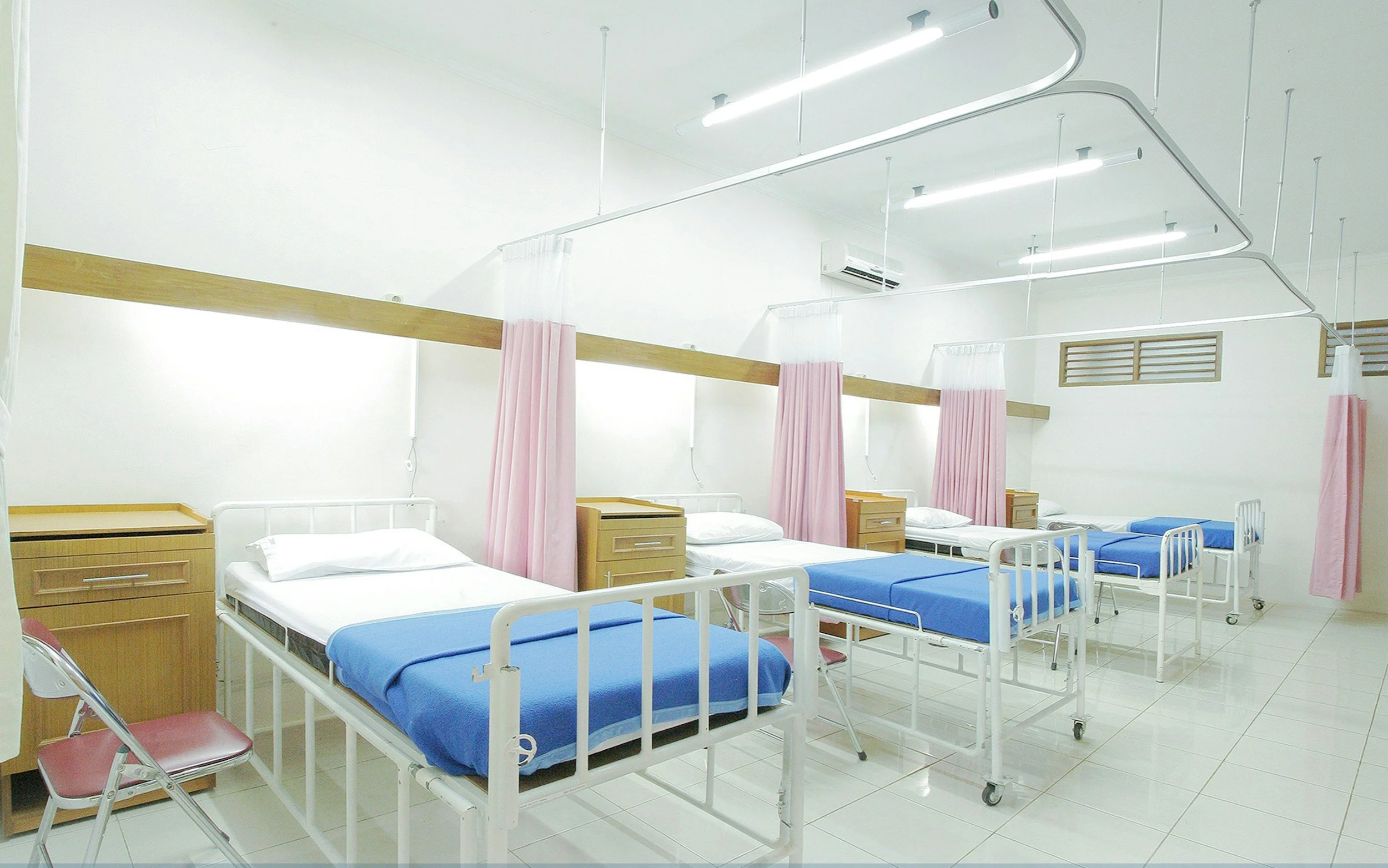
CRISIS IN ADOLESCENT BEHAVIORAL HEALTH NEVER COMES AS PLANNED - AND THE BEST LAID PLANS OFTEN UNRAVEL WHEN LEAST EXPECTED.
A Guideline and Starting Point for Families that wonder how to manage a crisis or hospitalization. event. What to do, who to talk to, and what happens after a psychiatric hospitalization.
Adolescent psychiatric hospital discharge planning connects a short episode of acute stabilization to the next appropriate level of care. It asks whether the clinical, family, educational, insurance, and transportation pieces are ready to function together after hospitalization.
Central point: “Ready for discharge” does not mean “fully recovered.” It means the inpatient team has determined that hospital-level care is no longer the necessary or appropriate setting and that a plan is needed to manage the remaining risks and treatment needs elsewhere.
Why adolescent psychiatric hospital discharge planning can feel premature
A psychiatric admission and a family crisis operate on different time horizons. Families usually see the hospitalization in the context of months or years of escalating behavior, conflict, school disruption, substance use, self-harm, treatment resistance, or failed outpatient care. An inpatient team, by contrast, must repeatedly answer a narrower question: what level of care is medically necessary today?
Current federal guidance requires hospitals, including psychiatric hospitals, to identify patients at risk of adverse consequences after discharge, evaluate post-discharge needs, develop a plan when required, and begin implementing that plan before discharge. It does not require an inpatient unit to resolve every underlying family, educational, or behavioral problem before the patient leaves. The American Academy of Child and Adolescent Psychiatry likewise describes inpatient care as one part of a continuum and emphasizes participation by the adolescent and caregivers in treatment and discharge planning. (CMS discharge-planning guidance; AACAP principles of inpatient care)
This difference in scope explains much of the tension around a teen psychiatric hospital discharge. A parent may be asking whether the home can remain safe for the next six months. The hospital may be deciding whether the adolescent still needs locked, 24-hour acute psychiatric care that day. Both questions matter, but they are not interchangeable.
What determines whether an adolescent remains hospitalized?
No single rule controls every admission. State law, the type of admission, the hospital’s clinical assessment, the adolescent’s symptoms, available alternatives, consent rights, and insurance coverage may all affect the timeline. In practice, four considerations usually shape the decision.
1. Current clinical risk and functioning
The treatment team evaluates whether acute symptoms still require continuous hospital care. Relevant questions may include whether suicidal or violent intent remains active, whether psychosis or severe mood symptoms remain unstable, whether the adolescent can participate in a safety plan, whether medication changes require hospital monitoring, and whether basic functioning can be supported in a less restrictive setting.
The legal standard is jurisdiction-specific. California’s minor-hold framework, for example, applies to the initial 72 hours of involuntary evaluation and treatment and uses state-defined criteria involving danger to self, danger to others, or grave disability when authorization for voluntary treatment is unavailable. Treatment beyond that initial period follows additional law and procedure. Virginia uses a different statutory process and directs courts to consider the evidence, available treatment alternatives, and whether involuntary commitment is the least restrictive effective option. These examples should not be treated as a national rule. (California Welfare and Institutions Code §§ 5585–5585.59; Virginia Code § 16.1-345)
2. The least restrictive setting that can safely meet the need
Inpatient care is not simply the most intensive version of ordinary therapy. It is a restrictive level of care intended for acute needs that cannot be managed safely elsewhere. Once the team concludes that those needs can be addressed through a lower level of care, the planning question shifts from whether the adolescent should remain hospitalized to what combination of supervision, treatment, medication management, crisis response, and family support is required after discharge.
3. Coverage and utilization review
Clinical decision-making and insurance authorization are related but separate. A hospital may request additional covered days, and an insurer may review whether its medical-necessity criteria are met. A denial of continued coverage does not, by itself, establish that every clinician believes the adolescent has recovered. It establishes that payment authorization has become a separate constraint that the hospital and family may need to address through review, appeal, alternate funding, or a different care plan.
Qualitative research with adolescent discharge planners has repeatedly identified insurance limits, inadequate placement resources, compressed timelines, communication barriers, and family participation as practical obstacles. These findings help explain why a clinically sensible recommendation may still be difficult to execute immediately. (research on adolescent discharge-planning challenges; research on barriers and facilitators of youth discharge)
4. The availability of an actual next step
A recommended service and an available service are not the same thing. A partial hospitalization program may have a waitlist. A residential program may decline the referral because of acuity, age, aggression, substance use, medical needs, or insurance. An outpatient psychiatrist may not have an appointment for several weeks. A school district may need time to arrange reentry supports. Discharge planning therefore involves both clinical fit and operational reality.
The four clocks managed by hospital social workers
Hospital social workers often appear to control the timing of discharge because they coordinate referrals, family meetings, insurance communication, and aftercare. In reality, they are usually working across four clocks at once:
The clinical clock: whether acute symptoms still require inpatient treatment.
The legal clock: whether the hospital retains authority to hold the minor and what procedural rights apply.
The coverage clock: whether the insurer continues to authorize payment and what appeal rights or alternate benefits exist.
The resource clock: whether the recommended provider, program, funding source, and transportation plan are actually available.
A social worker cannot create a residential bed, guarantee insurance authorization, extend legal detention authority, or force an outside provider to accept a referral. The social worker can clarify the plan, document barriers, coordinate releases of information, pursue referrals, communicate with payers and providers, and make the discharge handoff more complete.
What information from a family improves discharge planning?
General statements such as “the home is not safe” communicate urgency but may not give the treatment team enough information to assess a specific risk or service need. Concrete, dated, behaviorally specific information is more useful. A family discharge-planning packet may include:
A concise incident timeline: date, behavior, duration, intervention, outcome, and any witness or record.
Prior treatment history: diagnoses, hospitalizations, therapy, programs, medication trials, adherence concerns, and known adverse effects.
Current providers: names, roles, contact information, and signed releases permitting coordination.
Home-safety facts: access to medications, weapons, vehicles, substances, high-risk peers, or other means of harm; supervision gaps; elopement history; and known triggers.
School information: attendance, accommodations, individualized education plans, recent disciplinary events, and a contact for reentry planning.
Legal authority: custody orders, guardianship documents, consent limitations, probation requirements, or other orders that affect placement or travel.
Insurance and funding: plan information, case-manager contacts, prior authorizations, denials, appeal deadlines, and realistic private-pay parameters.
A precise description of the barrier: what would make a return home unsafe or unworkable, and what support would materially change that conclusion.
The purpose of this information is not to prove that an adolescent is “bad enough” for a particular placement. It is to help the team connect observed risks and functional needs to a defensible level-of-care recommendation.
Questions families can ask before a teen psychiatric hospital discharge
What clinical findings support discharge from inpatient care?
What risks remain, and how are they addressed in the written safety plan?
What level of care is recommended next, and what alternatives are acceptable if the first option is unavailable?
Which referrals have been made, and which providers have confirmed acceptance or an appointment?
Who will prescribe and monitor medication after discharge?
What symptoms or behaviors should trigger a call to the outpatient team, 988, or emergency services?
What records will be sent to the next provider, and what releases are still needed?
What is the school-reentry plan, including supervision, workload, and accommodations?
If coverage was denied, what written reason, appeal process, and deadline apply?
If the adolescent is traveling to another program, who is responsible for medical clearance, medication custody, authorization, travel, and the receiving-facility handoff?
AACAP similarly encourages families to ask how discharge will be decided, how caregivers will participate, what aftercare will be arranged, and what happens if insurance coverage ends while inpatient treatment is still considered necessary. (AACAP questions about child and adolescent hospitalization)
What levels of care may follow psychiatric hospitalization?
The appropriate next step depends on clinical need and local availability. Common pathways include:
Routine outpatient care: individual therapy, psychiatry, family therapy, school supports, and a safety plan while the adolescent lives at home.
Intensive outpatient treatment: structured treatment on multiple days each week while the adolescent remains in the community.
Partial hospitalization: a more intensive daytime program without overnight hospital care.
Home-based or wraparound services: treatment and care coordination delivered in the family’s living environment.
Short-term crisis stabilization: a local alternative or bridge for adolescents who need more structure than ordinary outpatient care but do not require an acute inpatient unit.
Residential treatment: 24-hour treatment in a non-hospital setting when the adolescent requires sustained structure and clinical services that cannot be delivered safely at home.
Transfer to another hospital or specialty program: continued inpatient or medical care when the current facility cannot meet the identified need.
These categories are not interchangeable, and program names alone do not establish clinical quality or fit. A sound referral evaluates licensure, staffing, treatment model, family involvement, educational support, exclusion criteria, medication capabilities, crisis procedures, and the plan for discharge from that program.
Where independent behavioral health case management fits
Hospital case management is episode-based: its responsibility is tied to the admission and discharge. Independent behavioral health case management can extend across settings and remain involved after the hospital closes its case. This role may include organizing records, joining treatment-team communication with authorization, comparing levels of care, independently vetting programs, coordinating school and outpatient providers, tracking implementation, and revising the plan when circumstances change.
Coast Health Consulting provides adolescent behavioral health case management for families navigating complex transitions between hospitals, residential programs, outpatient services, schools, and home. Its role is supplementary: Coast does not replace the attending psychiatrist, the hospital discharge planner, emergency services, or licensed treatment. It provides continuity and independent coordination when the case extends beyond the scope or timeline of a single institution.
Coast operates from Los Angeles and Dallas hubs and provides remote and in-person support nationally. Its cross-state model is particularly relevant when the family, hospital, consultant, and receiving program are located in different jurisdictions. (Coast Health Consulting nationwide behavioral health support)
How geography changes adolescent discharge planning
Geography affects more than travel time. State law determines involuntary-treatment procedures and consent rights. County and state agencies structure public crisis access differently. Provider density, network participation, licensing categories, waitlists, and school systems also change the realistic option set. The following examples illustrate why a discharge plan must be localized. Government sources document the public systems; all service links lead to Interactive Youth Transport.
California: Los Angeles, the Bay Area, and county-based systems
California’s initial involuntary process for minors is governed by the 5585 framework, while community mental-health access is substantially county based. The California Department of Health Care Services directs families seeking specialty youth mental-health services to the applicable county mental health plan. This makes county of residence, Medi-Cal status, and the location of the receiving provider operationally important even when the clinical recommendation is the same. (California youth specialty mental-health services; Interactive Youth Transport services in California)
Texas: Dallas–Fort Worth, Austin, and regional authorities
Texas Health and Human Services contracts with local mental health and behavioral health authorities that serve defined counties and operate 24-hour referral lines. A Dallas discharge may therefore involve a different public authority and provider network than an Austin, Houston, or rural Texas discharge. County and ZIP code are material planning variables. (Texas local mental health and behavioral health authorities; Interactive Youth Transport services in Texas)
New York: New York City and statewide crisis options
New York’s public continuum includes mobile crisis response, home-based crisis intervention for youth at imminent risk of hospitalization, children’s crisis residences, crisis stabilization centers, and Comprehensive Psychiatric Emergency Programs. Which option is available depends on age, county, eligibility, acuity, and current capacity. (New York comprehensive crisis response system; Interactive Youth Transport services in New York)
Florida: Miami and a regionally administered service network
Florida’s Children’s Mental Health Program funds community outpatient services, crisis services, therapeutic foster care, group homes, and some residential treatment. The state notes that publicly funded residential applications are evaluated with attention to severity, family finances, availability, funding, and whether a less restrictive alternative can meet the need. A recommendation for residential care therefore does not automatically produce a funded bed. (Florida Children’s Mental Health Program; Interactive Youth Transport services in Florida)
Illinois: Chicago and the statewide youth crisis entry point
Illinois uses the CARES line as a centralized public entry point for children and youth in mental-health crisis, including routing for mobile crisis response. This state pathway may operate alongside hospital referrals, commercial insurance networks, school supports, and private treatment planning. (Illinois mobile crisis response and CARES; Interactive Youth Transport services in Illinois)
Connecticut and Massachusetts: Fairfield County, Greenwich, and Boston
Connecticut funds walk-in Urgent Crisis Centers for children who are in behavioral-health crisis but do not require emergency-department-level care, as well as statewide mobile crisis intervention through 2-1-1. Massachusetts operates Community Behavioral Health Centers with 24/7 crisis services and youth-specific community crisis stabilization as a less restrictive alternative to inpatient hospitalization. These resources illustrate how nearby states organize intermediate care differently. (Connecticut Urgent Crisis Centers; Massachusetts Community Behavioral Health Centers; Interactive Youth Transport services in Connecticut; Interactive Youth Transport services in Massachusetts)
When professional youth transport becomes part of the plan
Discharge planning and physical transportation are separate decisions. Many adolescents can travel safely with a parent or ordinary transportation. Professional youth transport may be considered when the receiving program has accepted the adolescent and the transition presents specific behavioral, elopement, de-escalation, supervision, or cross-country coordination needs that should not be managed by an unprepared family member.
Interactive Youth Transport coordinates adolescent psychiatric hospital discharges and facility transfers within a non-ambulance scope. The process includes confirming legal authorization, medical clearance, medication continuity, route and safety planning, and the receiving-program handoff. The service does not decide whether discharge is clinically appropriate and does not replace emergency medical transportation when ambulance-level care is required.
When a professional transition is indicated, planning should begin before the discharge hour. The hospital, guardian, receiving provider, case manager, and transport team should agree on authorization, records, medication custody, clinical restrictions, pickup procedure, communication milestones, contingency plans, and the exact admission window. Families and professionals can review Interactive Youth Transport’s clinically overseen transport process and national adolescent transport coverage.
A practical discharge-day checklist
A written discharge summary or instructions, including diagnoses and the current treatment plan
A reconciled medication list, prescriptions, administration instructions, and enough medication to bridge to the next prescriber
A written safety plan identifying warning signs, means-safety steps, coping strategies, supervision, and crisis contacts
Confirmed follow-up appointments rather than referral names alone whenever possible
Contact information for the person responsible for questions after discharge
Copies of records or confirmed transmission to the receiving providers
A school-reentry and educational-support plan
A transportation and handoff plan that matches the adolescent’s clinical and behavioral needs
A clear explanation of what should prompt urgent reassessment or emergency care
Frequently asked questions
Can a hospital discharge an adolescent if the family believes the home is unsafe?
A family’s safety concerns should be stated in specific, documented terms and addressed in planning. Whether the hospital can continue to hold the adolescent depends on the clinical findings, admission status, state law, and available authority—not on a general national rule. The family can ask for the clinical basis for discharge, the written safety plan, the recommended level of care, and documentation of unresolved barriers.
Does discharge mean the adolescent no longer needs treatment?
No. Discharge from inpatient care often means that treatment should continue at another level. The need for therapy, medication management, family work, school support, substance-use treatment, case management, crisis follow-up, or residential care may remain substantial.
Can an independent case manager stop a hospital discharge?
An independent case manager does not control the hospital’s legal or clinical authority. The case manager can improve the information available to the team, coordinate alternatives, support appeals and referrals, independently evaluate programs, and maintain continuity after discharge.
Can a youth transport service pick up an adolescent directly from a psychiatric hospital?
It may be possible after the hospital authorizes discharge, the legal decision-maker consents, medical clearance is complete, and the receiving program confirms admission. Ambulance-level medical needs require an appropriate medical transport provider.
The value of a coordinated transition
The quality of adolescent psychiatric hospital discharge planning is not measured by whether every problem is solved before the patient leaves. It is measured by whether the remaining risks are clearly understood, the next level of care is clinically coherent, responsibilities are assigned, information reaches the next providers, and the adolescent and caregivers know what will happen next.
Research on discharge interventions from inpatient child and adolescent mental-health services consistently emphasizes individualized risk assessment, preparation, caregiver education, linkage to community care, and structured follow-up. Those elements are most effective when discharge is treated as a transition between responsible parties rather than as the administrative end of a hospital stay. (scoping review of discharge interventions from inpatient child and adolescent mental-health care)
For ongoing coordination: Families and referring professionals managing a complex, multi-provider or cross-state plan may consult Coast Health Consulting about independent adolescent case management. When an accepted placement requires a clinically supported physical transition, Interactive Youth Transport can coordinate the hospital-to-program handoff within its scope.
Safety and scope: This article provides general educational information, not medical or legal advice. State law and facility procedure vary. An active or imminent safety emergency requires immediate contact with the current treatment team, 911, or the nearest emergency department. The 988 Suicide & Crisis Lifeline is available in the United States by call, text, or chat. Transportation planning is not a substitute for emergency evaluation or ambulance-level care.
Article By: Bobby Tredinnick LMSW-CASAC, CEO Clinical Lead Interactive Youth Transport & Coast Health Consulting
