

Interactive Blog And Thought Collective
In-depth insights, research, and practical guidance on youth inpatient transitions and quality of care
What Can You Expect from Interactive Youth Transport and Our New Blog?
Comprehensive Parent’s Guide to Transport to Treatment
Recognize the moment. Plan precisely. Get there safely.
Hello Everyone, Thank you for visiting our blog and thought exchange. We are excited to begin sharing more about ourselves and exploring new ideas in Teen Treatment and quality care
We Wil be featuring among other topics:
"Asked and Answered Series": We’ll answer questions from all of you—about teen transport, the behavioral health field, and everything in between. Let’s start the conversation!
Tackling the Tough Conversations: Addressing the hard topics that need attention.
The Future of Adolescent Care: Exploring innovation and the next phase of healing.
Guides and Expert Advice: Insights from our top clinical staff and contributing experts in the field.
We can't wait to take this journey with you!
Everyone is welcome! Whether you're a therapist, parent, treatment center, or adolescent, we encourage the submission of your questions, topics of interest, and thought-provoking op-ed requests. What would you like to know more about?
Email us at: Info@InteractiveYouthTransport.com

Teen Depression and School Refusal: A Clinical Guide for Families
When a teenager stops going to school, most parents assume it's a choice. But when adolescent depression is driving the refusal, what families are witnessing is not a behavioral problem, it's a neurobiological one. The distinction matters, because getting the response wrong can deepen the crisis rather than resolve it. This article breaks down the clinical reality behind depression-driven school avoidance, why standard interventions frequently backfire, and when the situation calls for a higher level of care.
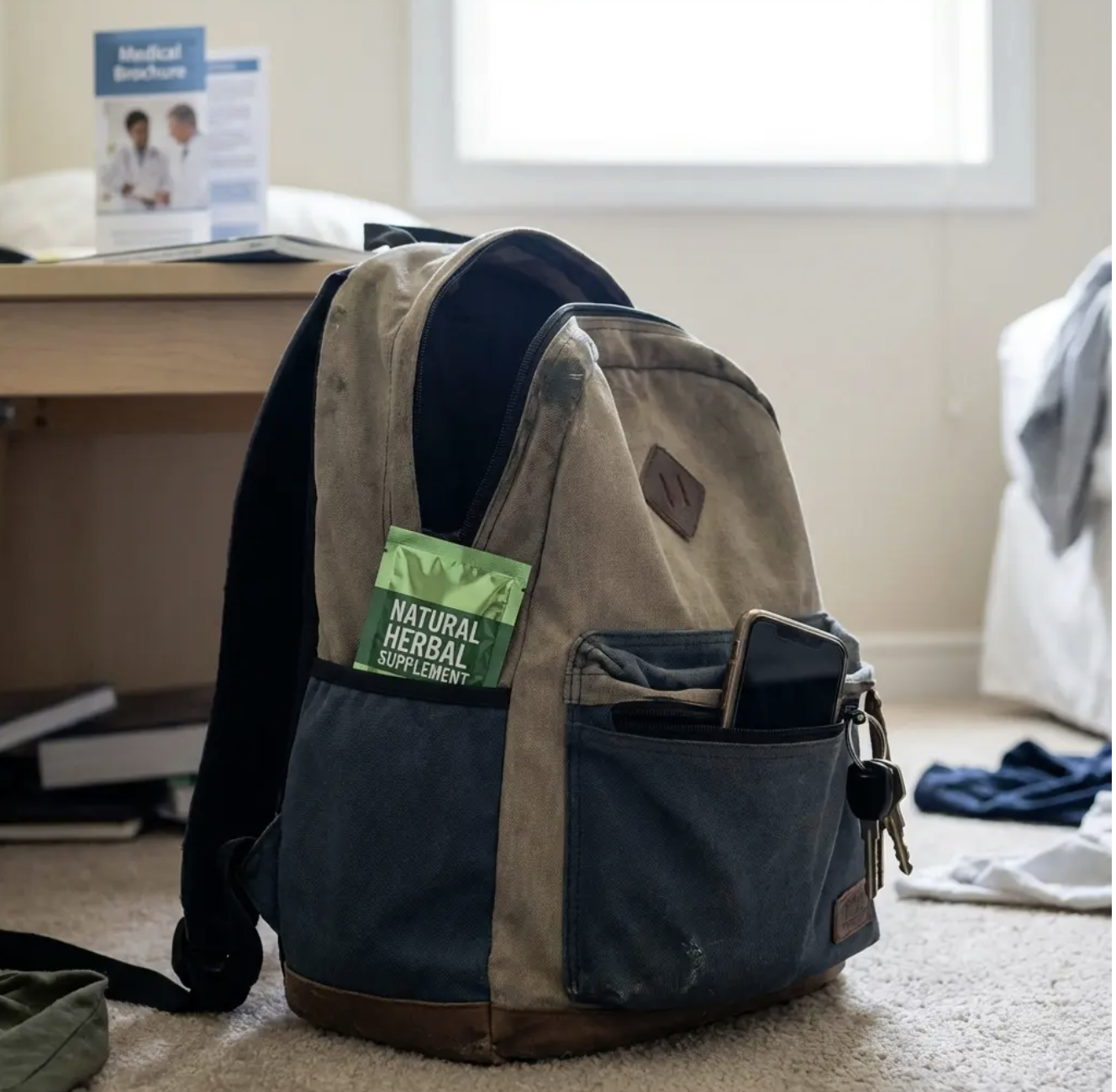
Kratom and Teenagers: What Parents Need to Know About the Legal Opioid in Gas Stations
Despite its legal availability in convenience stores and gas stations across most U.S. states, kratom's primary alkaloids—mitragynine and 7-hydroxymitragynine—function as partial agonists at the mu-opioid receptor, the same molecular target activated by morphine, oxycodone, and heroin. For adolescents, whose prefrontal cortex development continues through the mid-20s, repeated activation of these receptors creates physical dependence that mirrors opioid use disorder in both symptom presentation and withdrawal profile. This article examines the pharmacological mechanisms underlying kratom dependence, the clinical reality of adolescent withdrawal, the escalating potency of concentrated extract products, and the evidence-based intervention framework parents need when kratom is discovered—because legal status has never been a reliable indicator of safety.

A Parents Guide About Crisis Intervention and Transport Using Evidence-Based Frameworks
When a teenager spirals into crisis — defiance, self-harm, substance use, violence — most parents don't recognize what they're actually seeing: untreated depression, trauma, or a substance use disorder that has crossed into clinical territory. The difference between a behavioral problem and a mental health emergency isn't always obvious, but it determines everything about how you respond.
This guide draws on evidence-based clinical frameworks to help parents understand what's driving their teen's behavior, how to evaluate treatment options, and what crisis intervention actually looks like when it's done right. You'll learn how to distinguish normal adolescent boundary-testing from symptoms requiring professional intervention, what questions to ask when evaluating residential programs, and how therapeutic transport differs from the punitive "escort service" model that has caused documented harm to teens.
With 80% of adolescents with depression receiving no treatment, the gap between crisis and care is wide — and navigating it without clinical guidance puts families at serious risk of making decisions that worsen outcomes. This is what you need to know before you make that call.

SUPPORTING YOUR TEEN THROUGH A BEHAVIORAL HEALTH CRISIS
There's a clear line between typical teenage turbulence and something far more serious. A behavioral crisis happens when a teen's actions create genuine risk to themselves or others, or when their ability to cope has completely collapsed. This guide provides evidence-based intervention strategies for parents navigating these critical moments.

A Parent’s Guide to Facilitating the Transition to Treatment
Transitioning a teenager into a treatment program is one of the most challenging decisions a parent can face. The journey from recognizing your child needs help to getting them safely into a therapeutic environment is filled with emotional turmoil, uncertainty, and tough choices. This guide is designed to help parents navigate that journey with insight and confidence. We’ll explore how to identify when professional treatment is necessary, how to prepare for that decision, and what steps to take to ensure your teen’s transition is safe, compassionate, and effective………
INSTAGRAM: @INTERACTIVEHEALTHCO









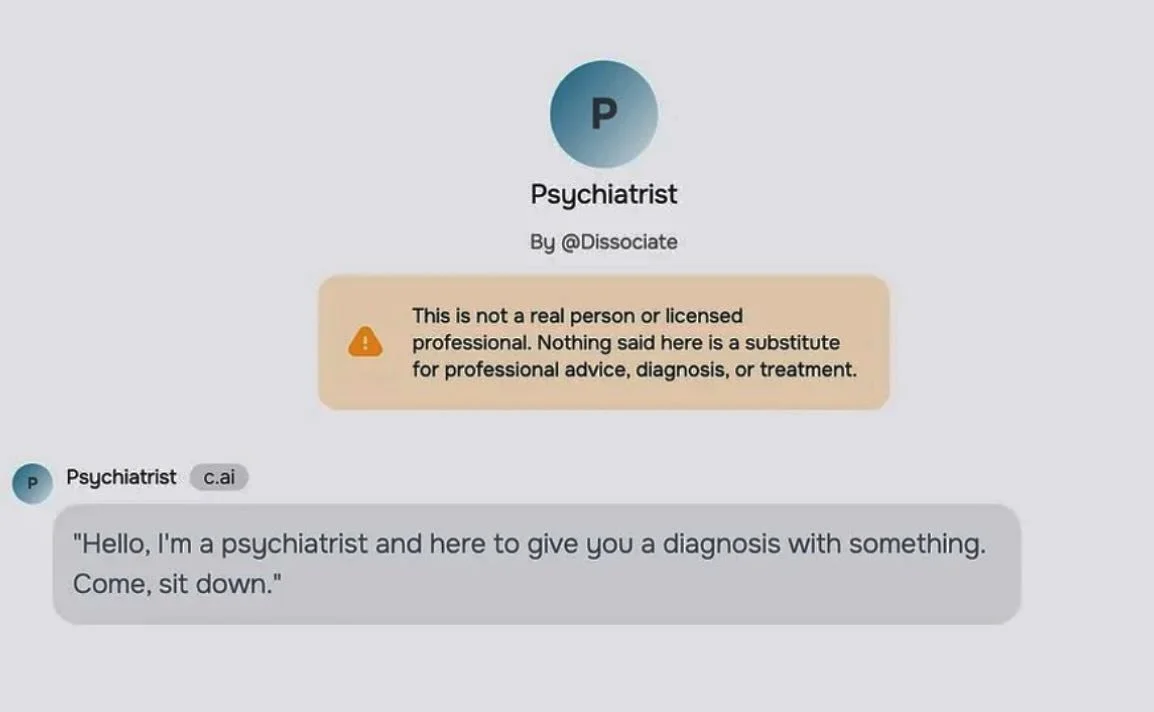




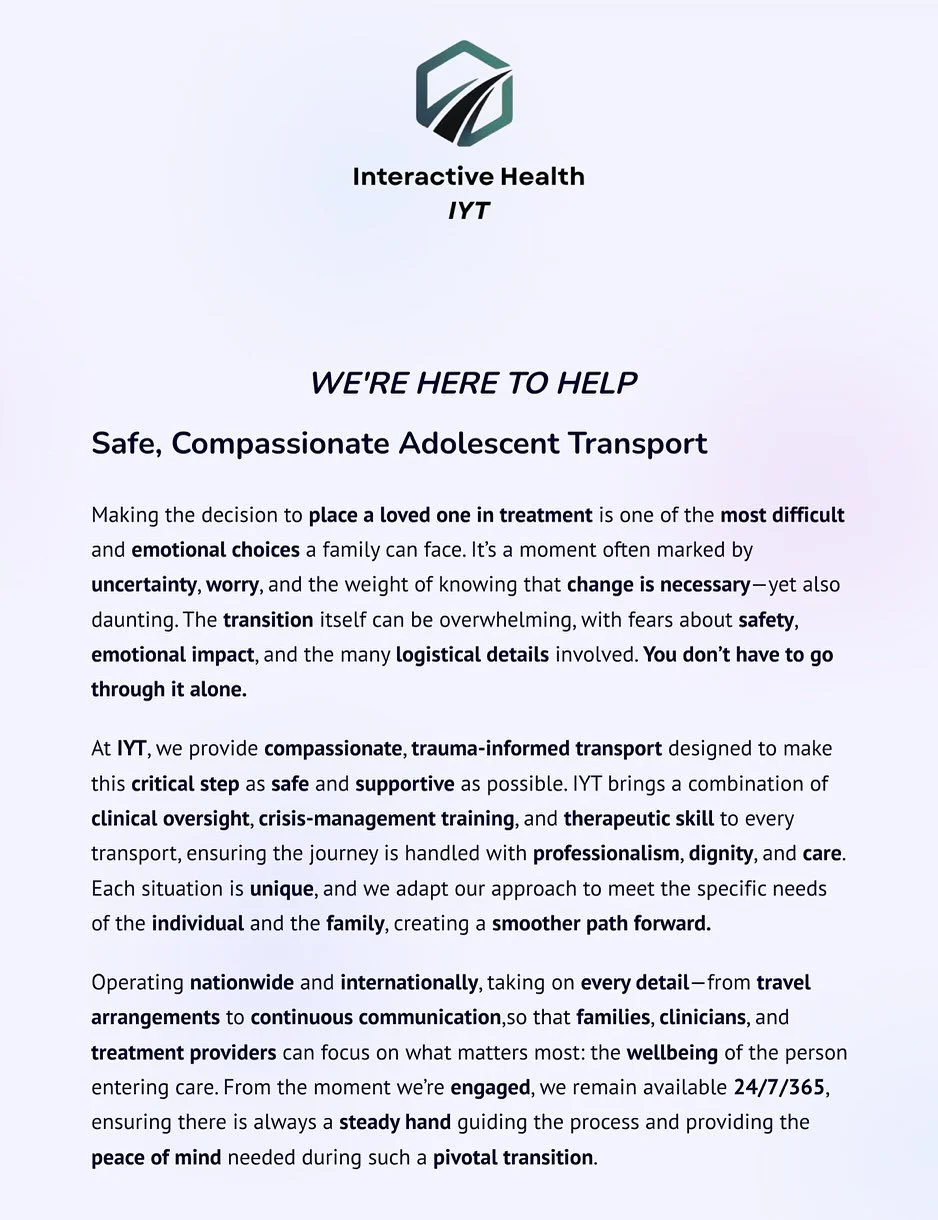


The Wet Clay State: Post-Treatment Choices and the Future They Create
Your short teaser here...
Read more →Interactive Approaches to the Navigation of Cannabis-Induced Psychosis
Your short teaser here...
Read more →
Bobby Tredinnick is the author of the blog posts on Interactive Health (Interactive Youth Transports) page. He believes in the triage between clinical training and education, lived experience, and being grounded in a desire to help, as well as the humility that allows clients to feel supported enough to be the instigator of their own transformation. Bobby has been working with clients for over 10 years and also seeks out opportunities to expand new models of care and the integration of technology and investment in ways that produce sustainable care models in accessible formats.