

Interactive Blog And Thought Collective
In-depth insights, research, and practical guidance on youth inpatient transitions and quality of care
What Can You Expect from Interactive Youth Transport and Our New Blog?
Comprehensive Parent’s Guide to Transport to Treatment
Recognize the moment. Plan precisely. Get there safely.
Hello Everyone, Thank you for visiting our blog and thought exchange. We are excited to begin sharing more about ourselves and exploring new ideas in Teen Treatment and quality care
We Wil be featuring among other topics:
"Asked and Answered Series": We’ll answer questions from all of you—about teen transport, the behavioral health field, and everything in between. Let’s start the conversation!
Tackling the Tough Conversations: Addressing the hard topics that need attention.
The Future of Adolescent Care: Exploring innovation and the next phase of healing.
Guides and Expert Advice: Insights from our top clinical staff and contributing experts in the field.
We can't wait to take this journey with you!
Everyone is welcome! Whether you're a therapist, parent, treatment center, or adolescent, we encourage the submission of your questions, topics of interest, and thought-provoking op-ed requests. What would you like to know more about?
Email us at: Info@InteractiveYouthTransport.com

Educational Reintegration After Psychiatric Hospitalization
TL;DR: Discharge from an inpatient psychiatric unit is treated as an endpoint. It is not. For most adolescents the next high-risk environment is a classroom, and the majority of American schools have no written plan for receiving them. Research finds only 16% of surveyed school psychologists report a formal reintegration protocol, while 38% report none at all. The same window carries the highest post-discharge suicide risk of any period in the care continuum. The instruments that close this gap already exist — Section 504 plans, IEPs under IDEA's "emotional disturbance" category, homebound instruction, and a structured re-entry meeting — but they are rarely activated before a student walks back through the front doors.

Kratom and Teenagers: What Parents Need to Know About the Legal Opioid in Gas Stations
Despite its legal availability in convenience stores and gas stations across most U.S. states, kratom's primary alkaloids—mitragynine and 7-hydroxymitragynine—function as partial agonists at the mu-opioid receptor, the same molecular target activated by morphine, oxycodone, and heroin. For adolescents, whose prefrontal cortex development continues through the mid-20s, repeated activation of these receptors creates physical dependence that mirrors opioid use disorder in both symptom presentation and withdrawal profile. This article examines the pharmacological mechanisms underlying kratom dependence, the clinical reality of adolescent withdrawal, the escalating potency of concentrated extract products, and the evidence-based intervention framework parents need when kratom is discovered—because legal status has never been a reliable indicator of safety.

Breaking Barriers: The Rise of International Adolescent Treatment Transport and Cross-Cultural Therapeutic Care
The Global Landscape of Adolescent Treatment
The world of therapeutic boarding schools and residential treatment has really transformed into a global marketplace. More and more UK and European families are looking to the United States for specialized programs, attracted by innovative treatment methods, unique wilderness therapy options, and therapeutic boarding schools that simply aren’t available back home. On the flip side, American families are also exploring international programs for their teens, especially those that offer distinct cultural insights or specialized approaches to adolescent care.

Resources and Information About Teen Treatment Transport, Adolescent Behavioral Health and its future
Explore recent and industry insights featuring Interactive Youth Transport and innovations in trauma-informed adolescent transport and overall care published off site:
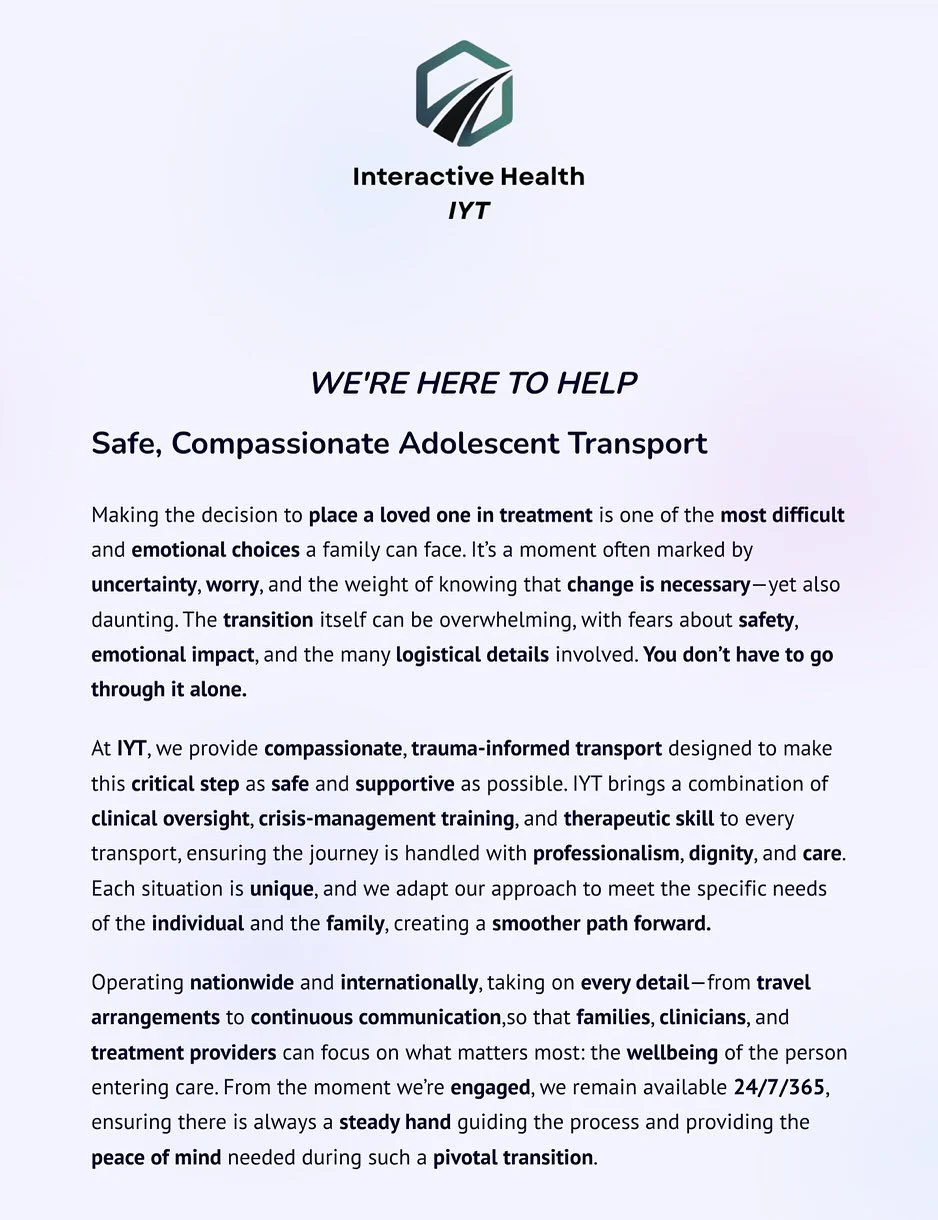
Trauma-Informed Adolescent Transport: Best Teen Transport and Concierge Mental Health Services in the US and Abroad
Featured on Find a Therapy. Covers ethical transport practices and clinical concierge services for teens and young adults.Adolescent Teen Treatment Transport: Under the Surface of Youth Behavioral Healthcare
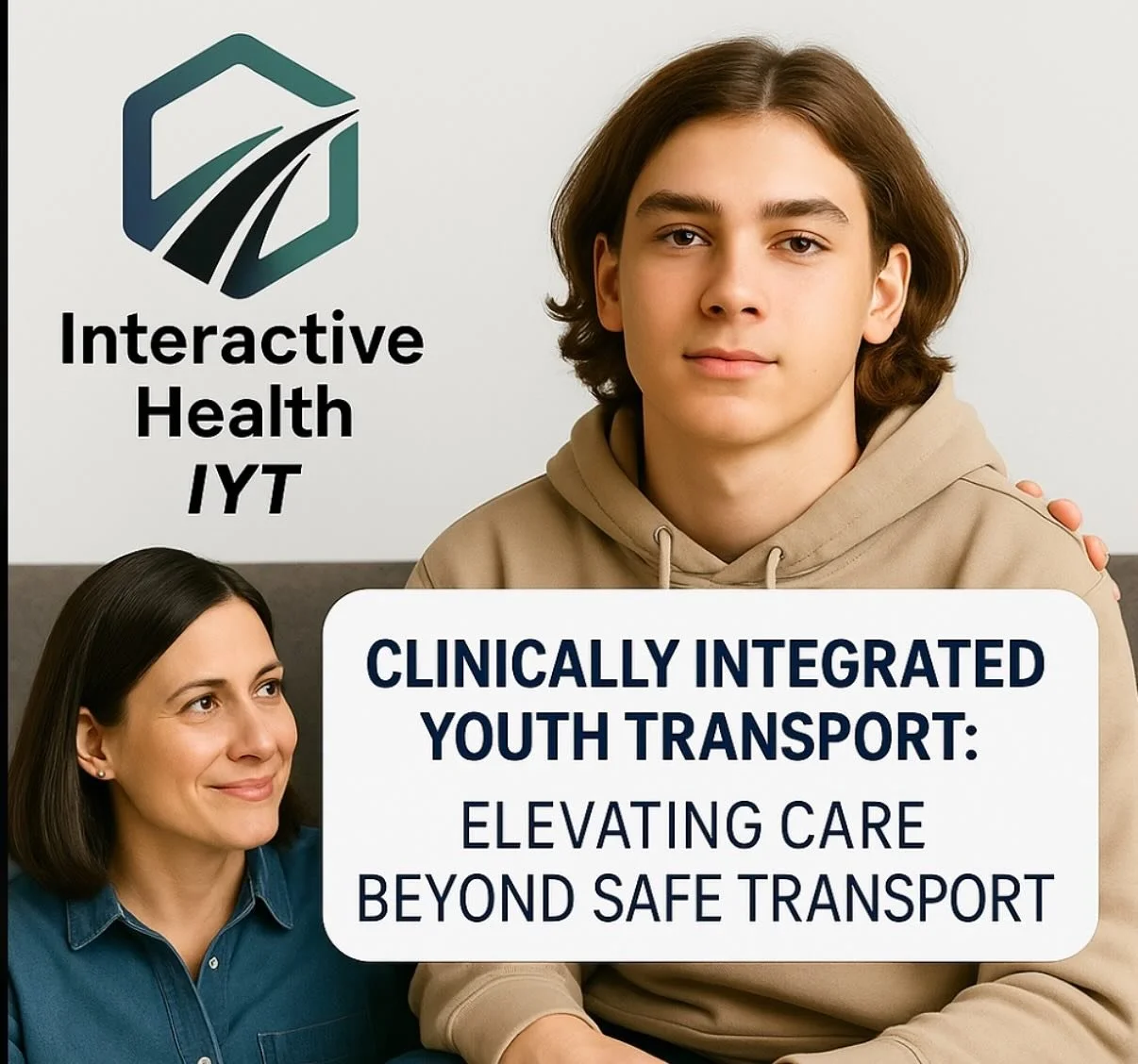
Published on Medium. An inside look at the realities and future of adolescent transport, from intervention to aftercare.Clinically Integrated Transport: Redefining Transport’s Role in Adolescent Care
Published on Medium. Explores the integration of clinical oversight into the transport process for improved outcomes.
INSTAGRAM: @INTERACTIVEHEALTHCO





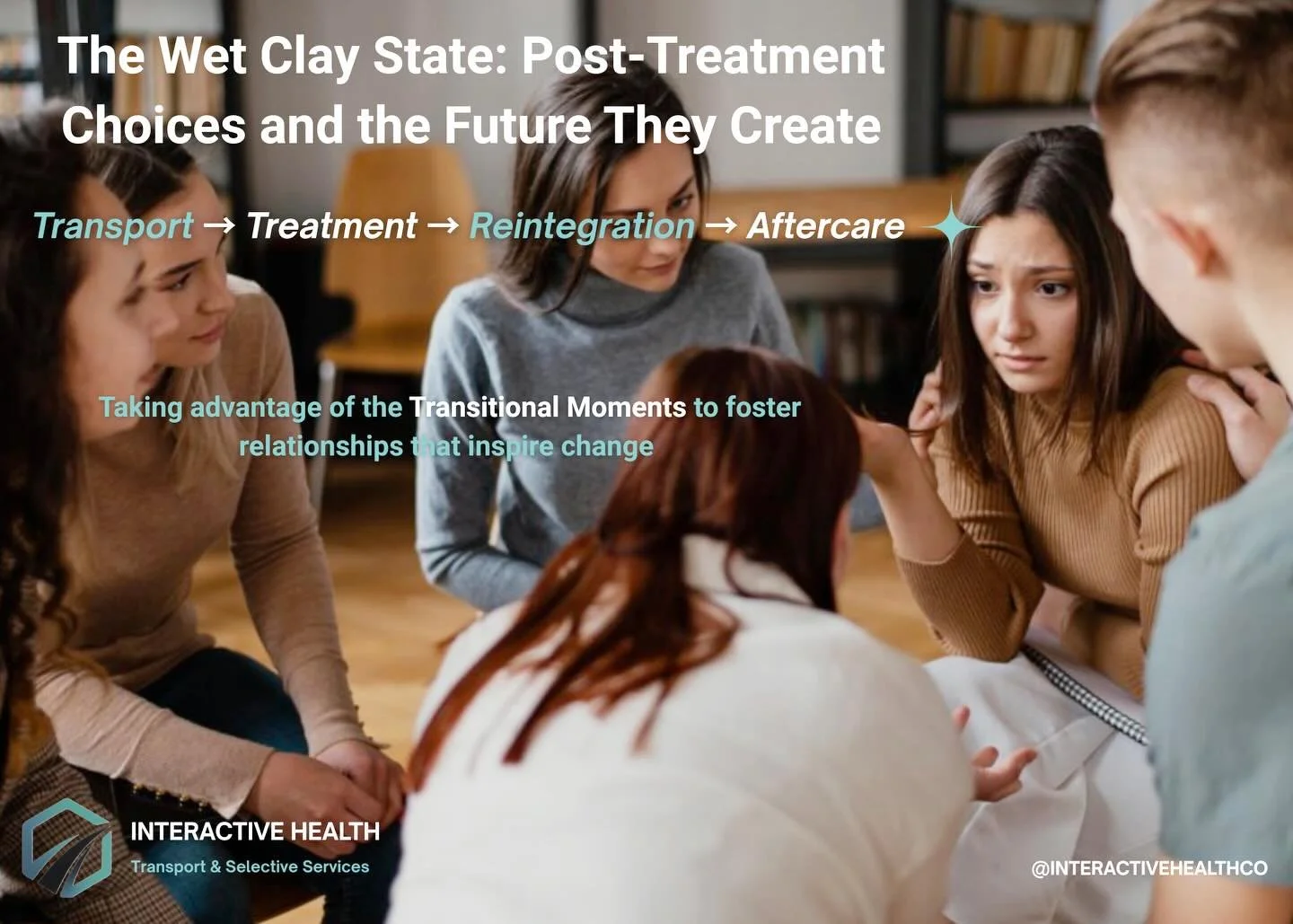




The Wet Clay State: Post-Treatment Choices and the Future They Create
Your short teaser here...
Read more →Interactive Approaches to the Navigation of Cannabis-Induced Psychosis
Your short teaser here...
Read more →
Bobby Tredinnick is the author of the blog posts on Interactive Health (Interactive Youth Transports) page. He believes in the triage between clinical training and education, lived experience, and being grounded in a desire to help, as well as the humility that allows clients to feel supported enough to be the instigator of their own transformation. Bobby has been working with clients for over 10 years and also seeks out opportunities to expand new models of care and the integration of technology and investment in ways that produce sustainable care models in accessible formats.